Locate and Confirm
Quoted after a first look
- Acoustic and electronic leak detection
- Thermal imaging scan of the floor
- Pressure test on the isolated line
- Written findings with pipe location
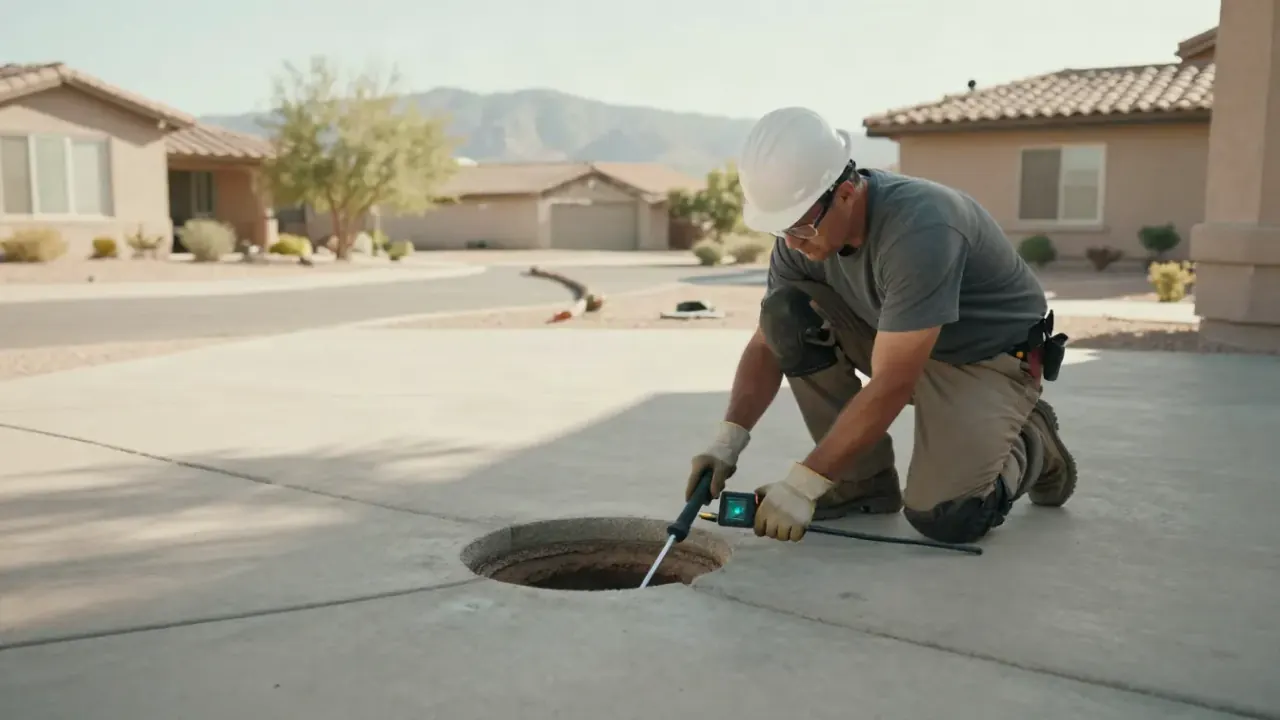
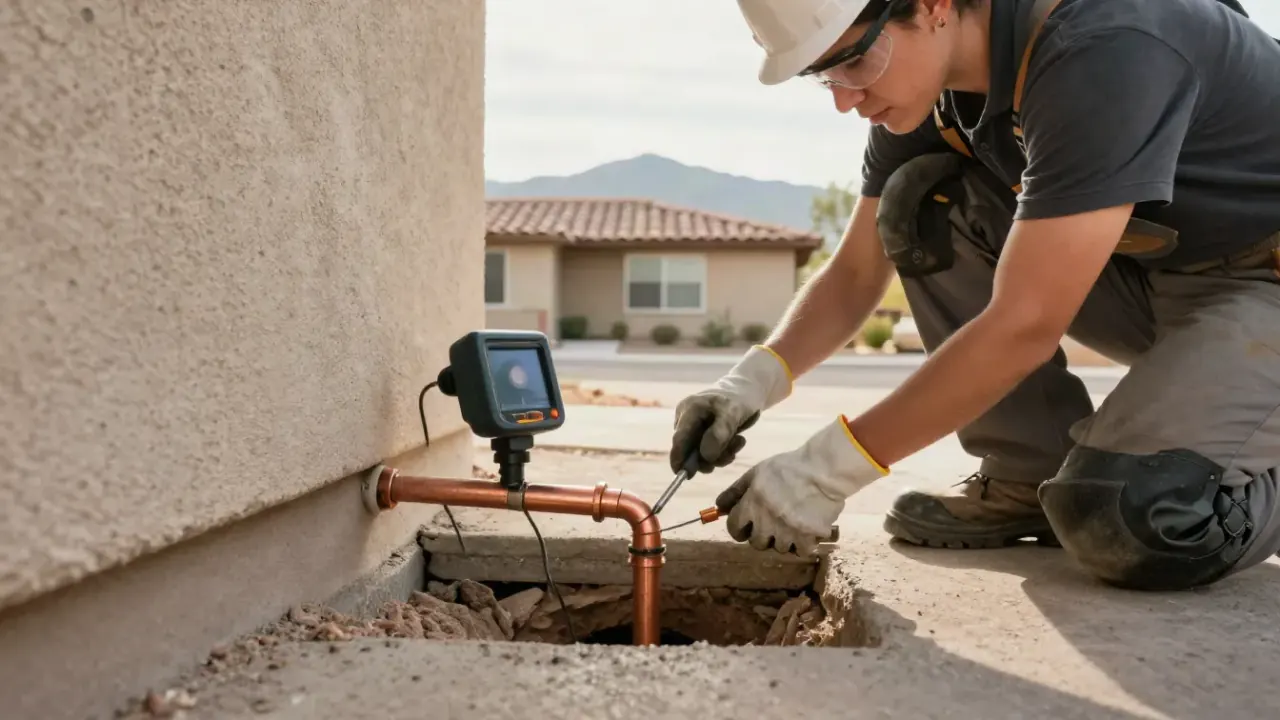
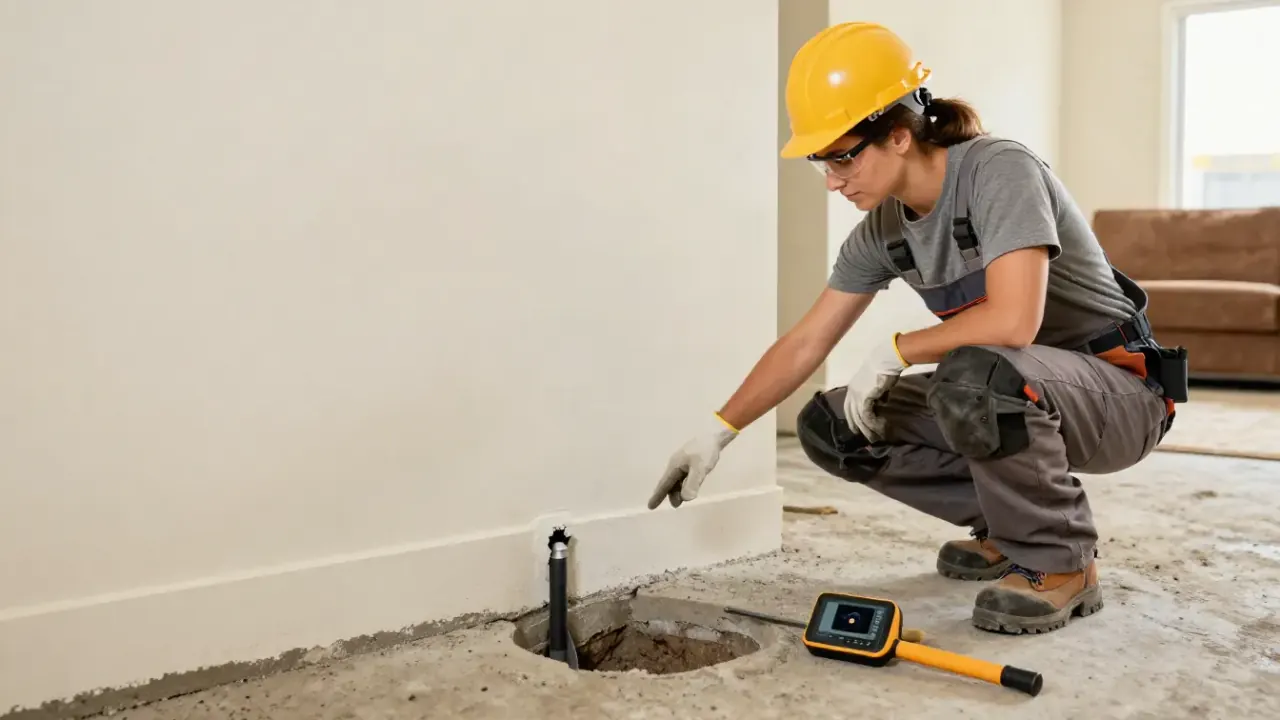
Slab Leak Repair Avondale AZ starts with listening, not digging. We use acoustic leak detection equipment and a thermal imaging camera to pinpoint the break under your floor, then tunnel or reroute to fix it.
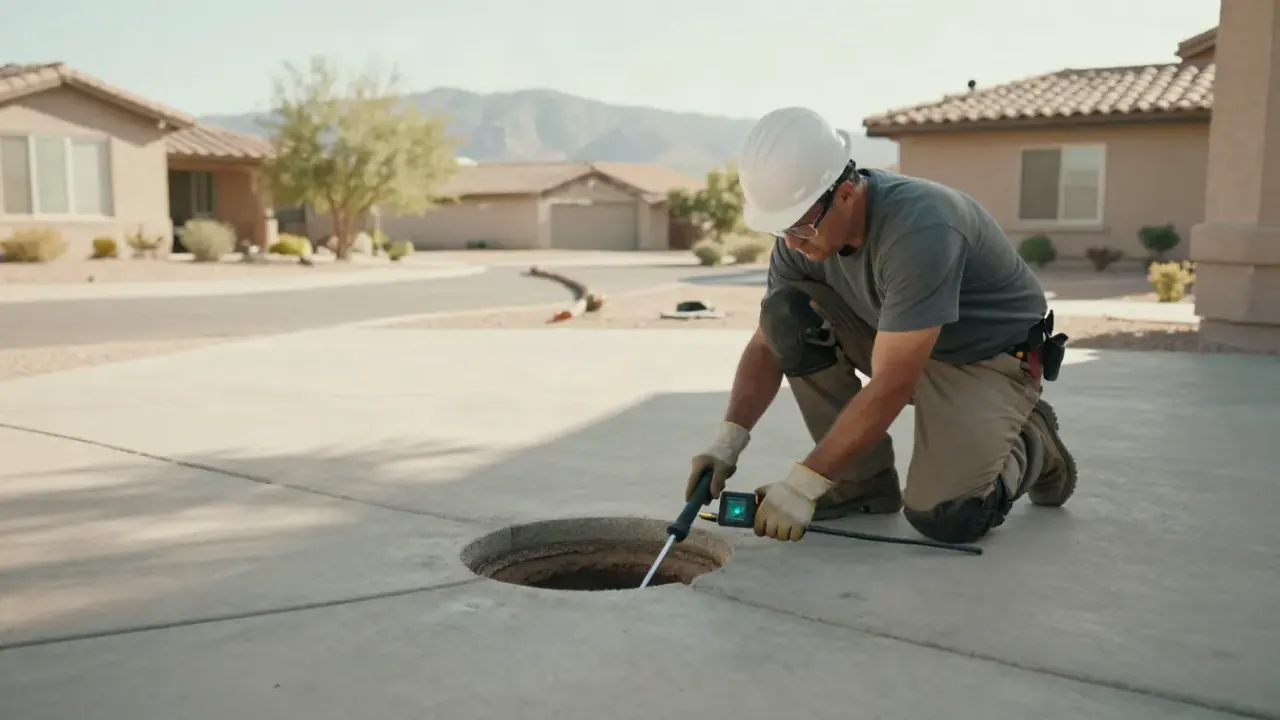
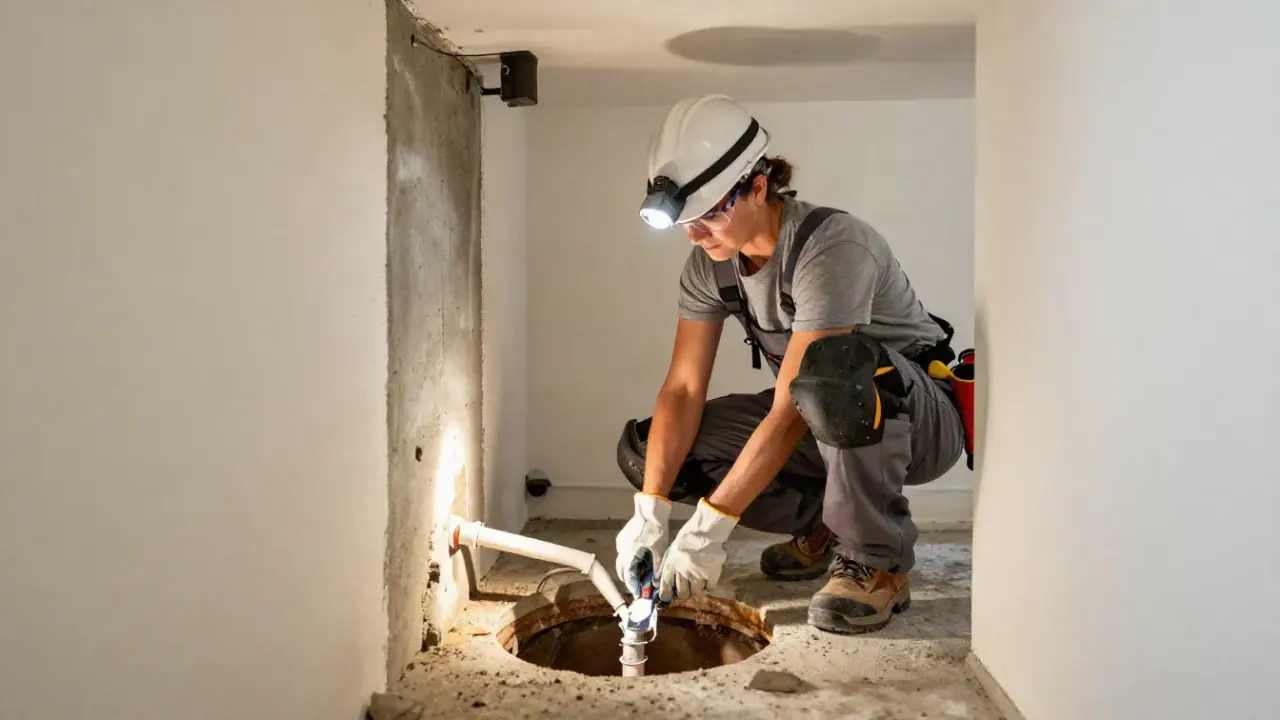
We pressurize the line, listen through the floor, and mark the spot before anything is opened. Then we tunnel or reroute, pressure test the new section, and backfill in compacted lifts. You get photos of the pipe as it went in.
The leak spot is marked on your floor
New pipe holds pressure before we close
You see the repair as it went in
Every job starts with the same question: where is the water actually coming from? We answer that with acoustic leak detection equipment, thermal imaging, and a pressure testing gauge on the isolated line.
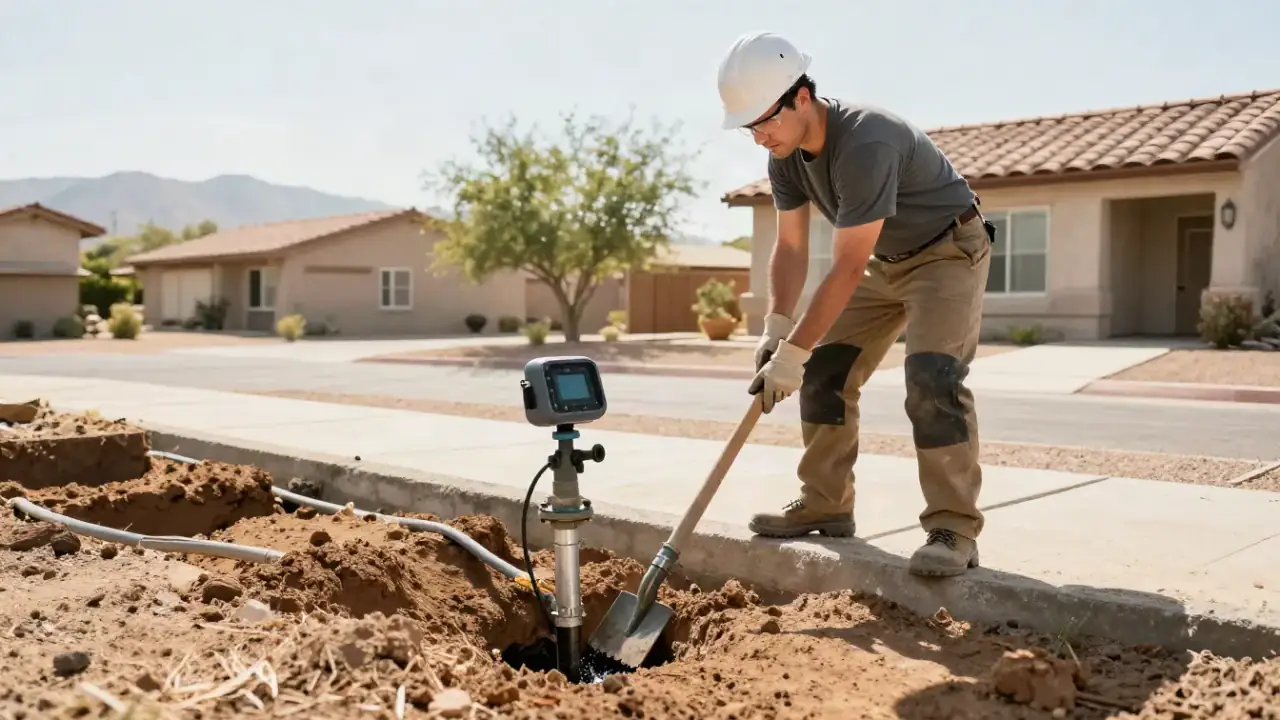
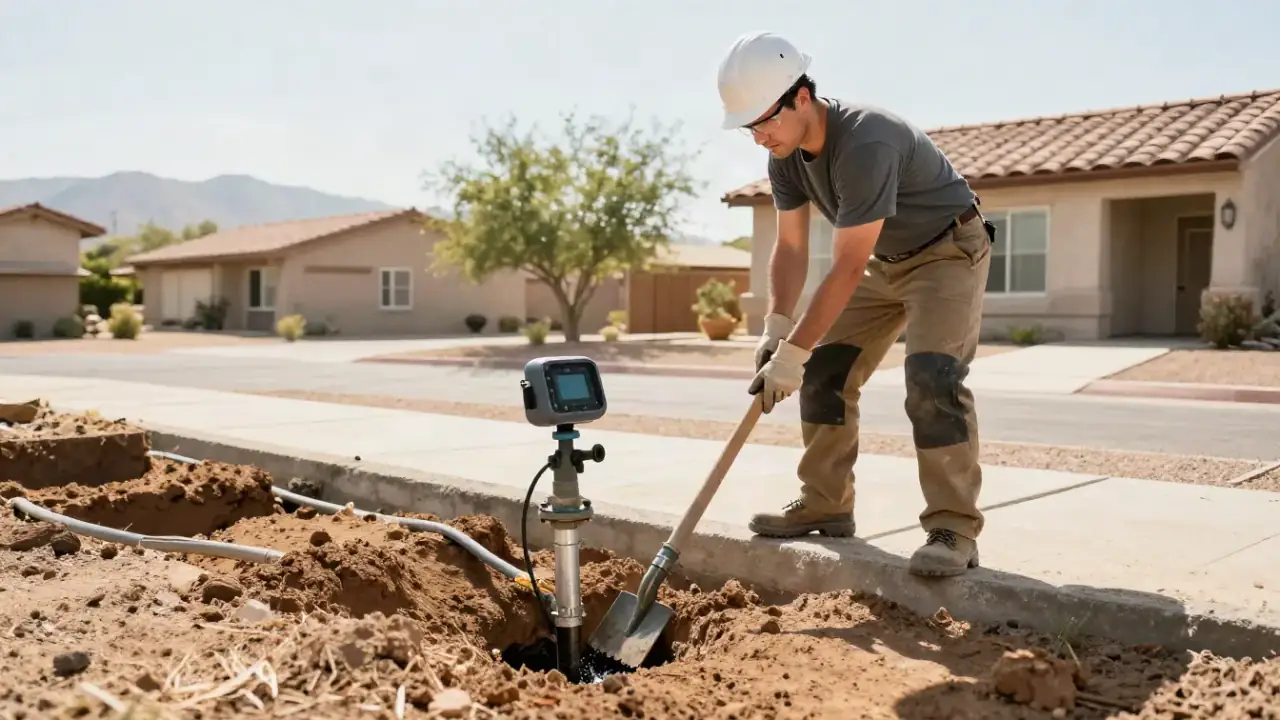
We dig a small access tunnel from outside the foundation to reach the failed pipe, repair it, then backfill and compact in lifts.
For copper pipe with widespread corrosion but no full failure, we clean the line and pull epoxy resin through it to form a new inner wall.
When a line is buried under a post-tension slab or runs beneath a finished floor you would rather not open, we abandon it and run new…
If the copper in your home has reached the end of its life, we replace the supply lines in PEX or new copper in stages so…
The line from the meter to your house sits under the yard and sometimes under the slab edge.
A hot water line leak under a slab shows up as a warm spot on the floor and a water heater that never stops running.
A slab leak is a locating problem before it is a repair problem. Get the location wrong and you pay for concrete you did not need to break.
Acoustic leak detection equipment and a thermal imaging camera go on the floor before we talk price. You get the pipe, the depth, and the access plan in plain language.
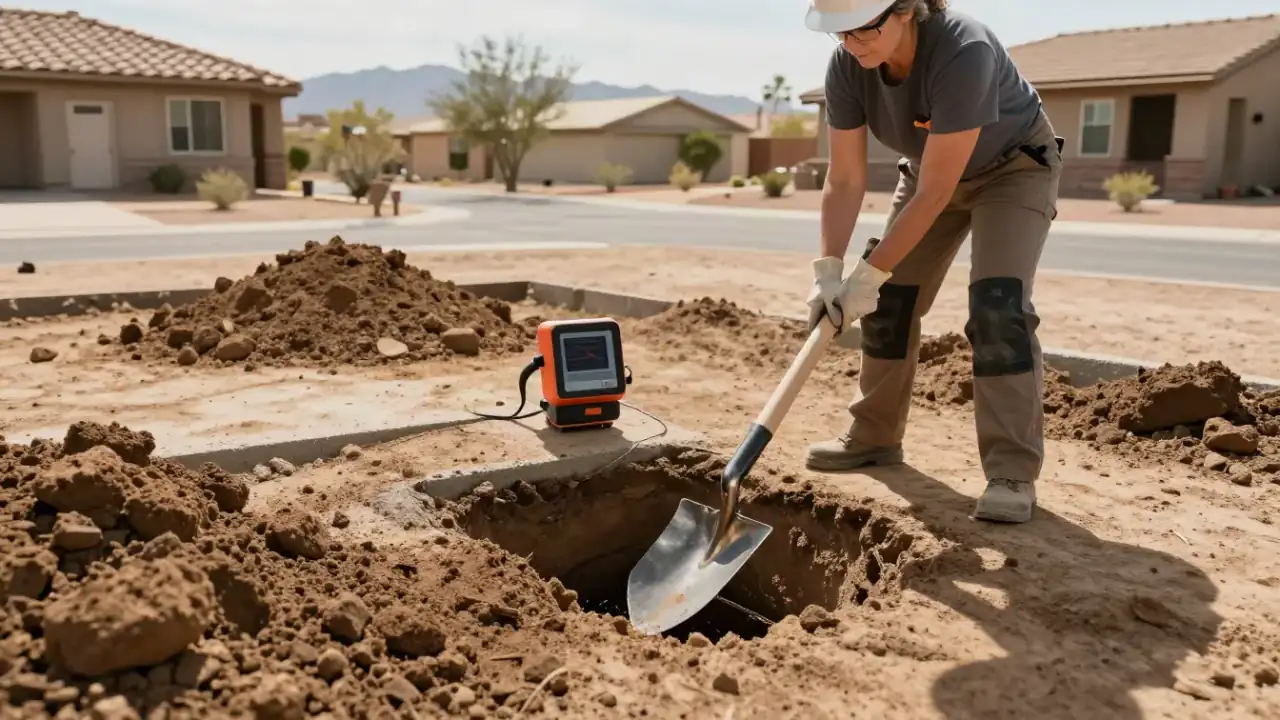
We tunnel from outside the foundation with trenchless tunneling equipment wherever the soil allows. A typical access run is 3 to 6 feet.
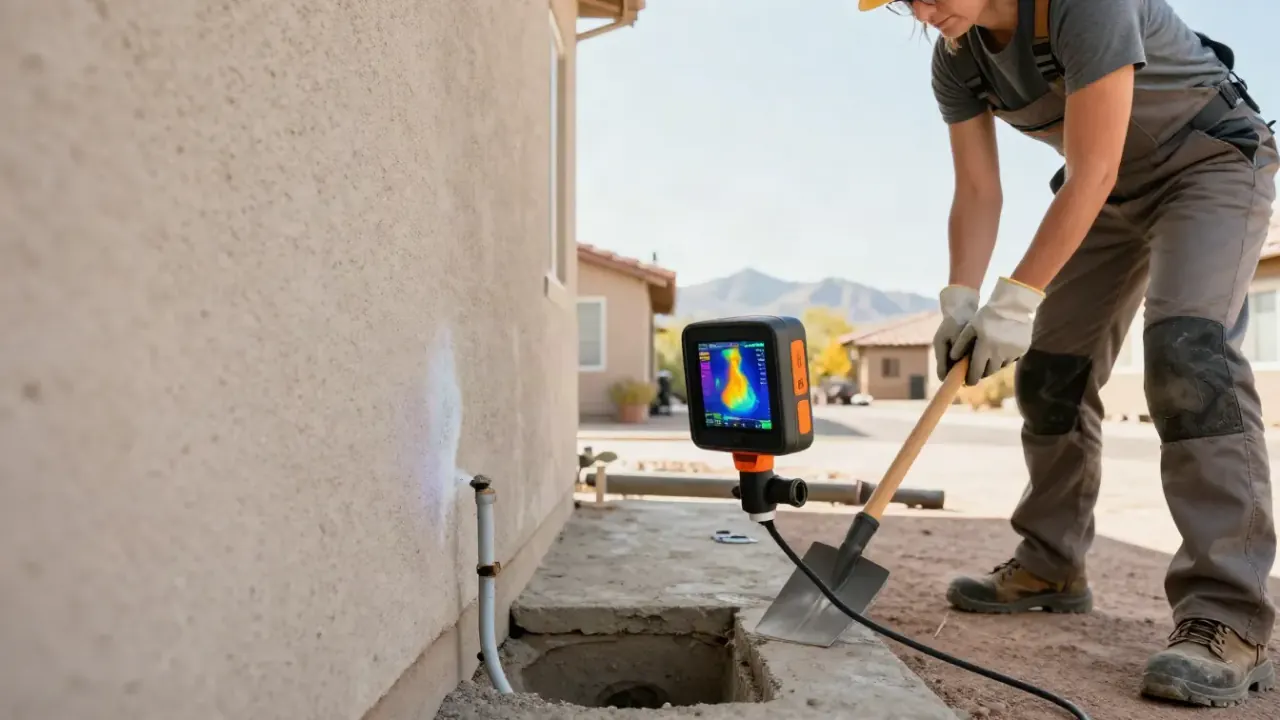
Repairs are pressure tested and documented with photos of the line before it is covered.
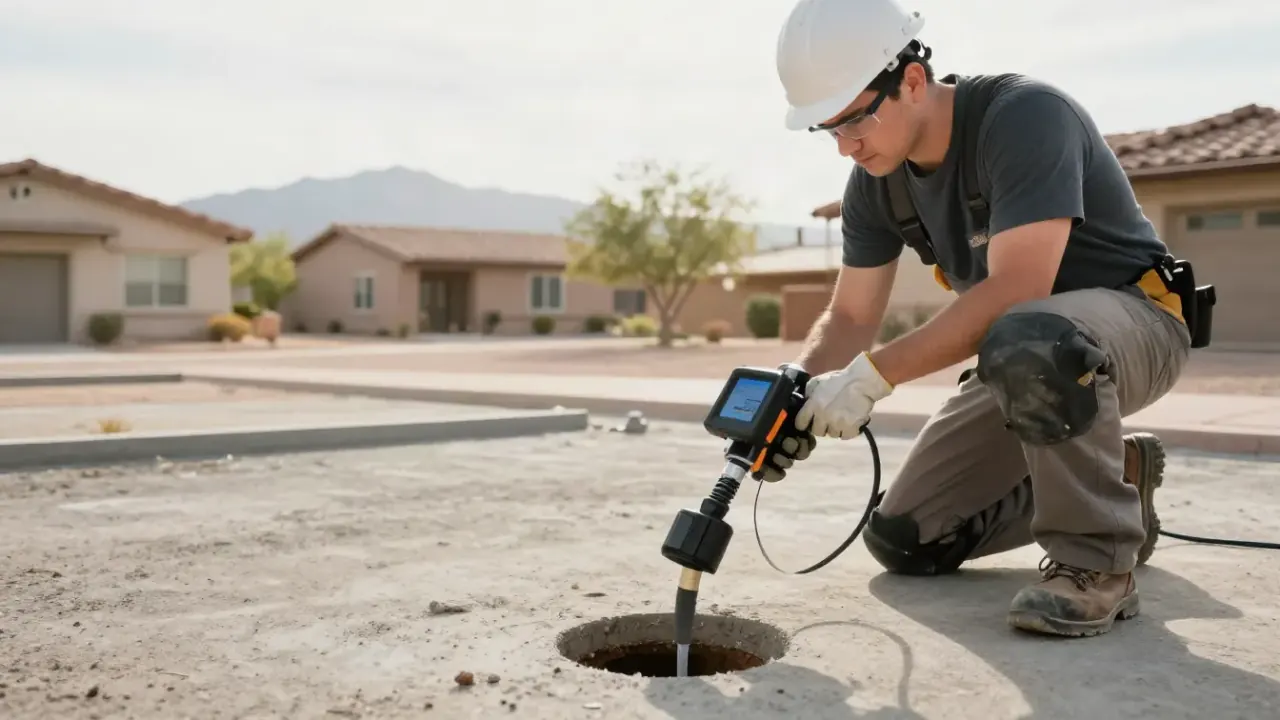
Typical 2026 pricing in this area runs from a locating visit to a full under-slab repair.
Quoted after a first look
Quoted after a first look
Quoted after a first look
Four steps, and you know where you stand after each one. We do not open concrete until the leak is located and you have approved the scope in writing.
Step 1
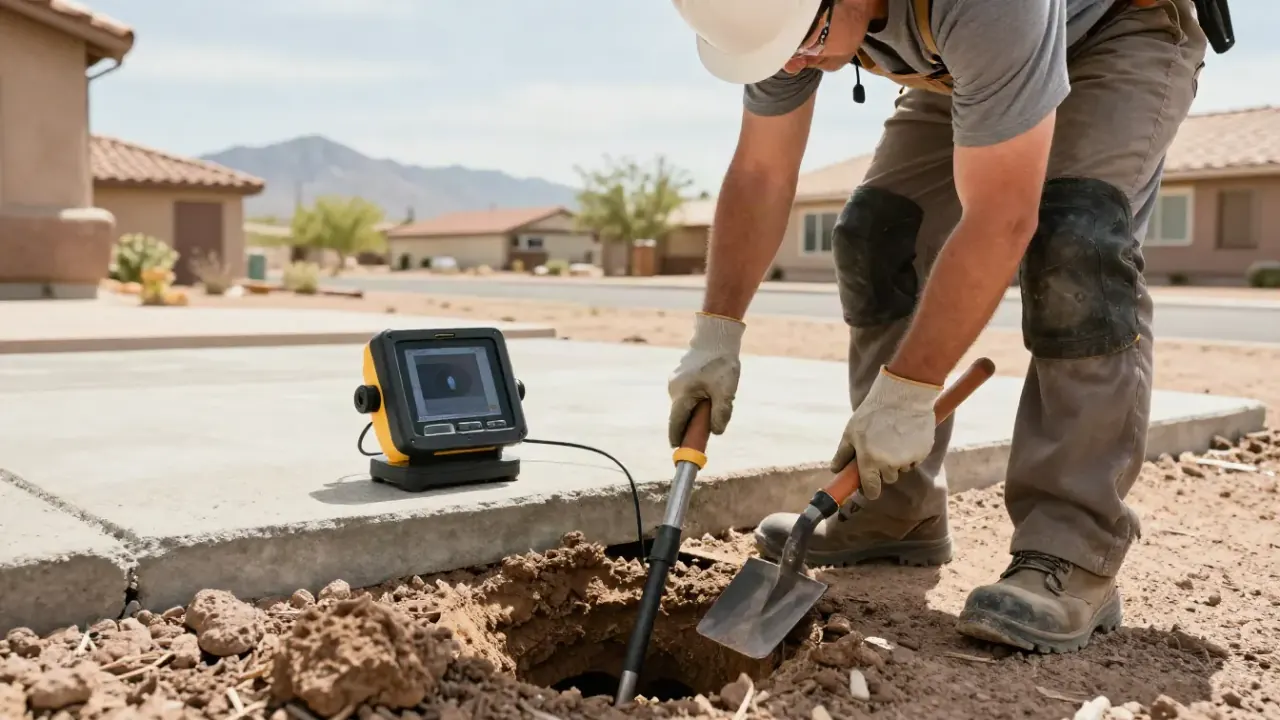
We pressurize the suspect line, walk the floor with acoustic leak detection equipment, and confirm with a thermal imaging camera. Warm spots and the sound signature tell us which pipe and roughly how deep.
Step 2
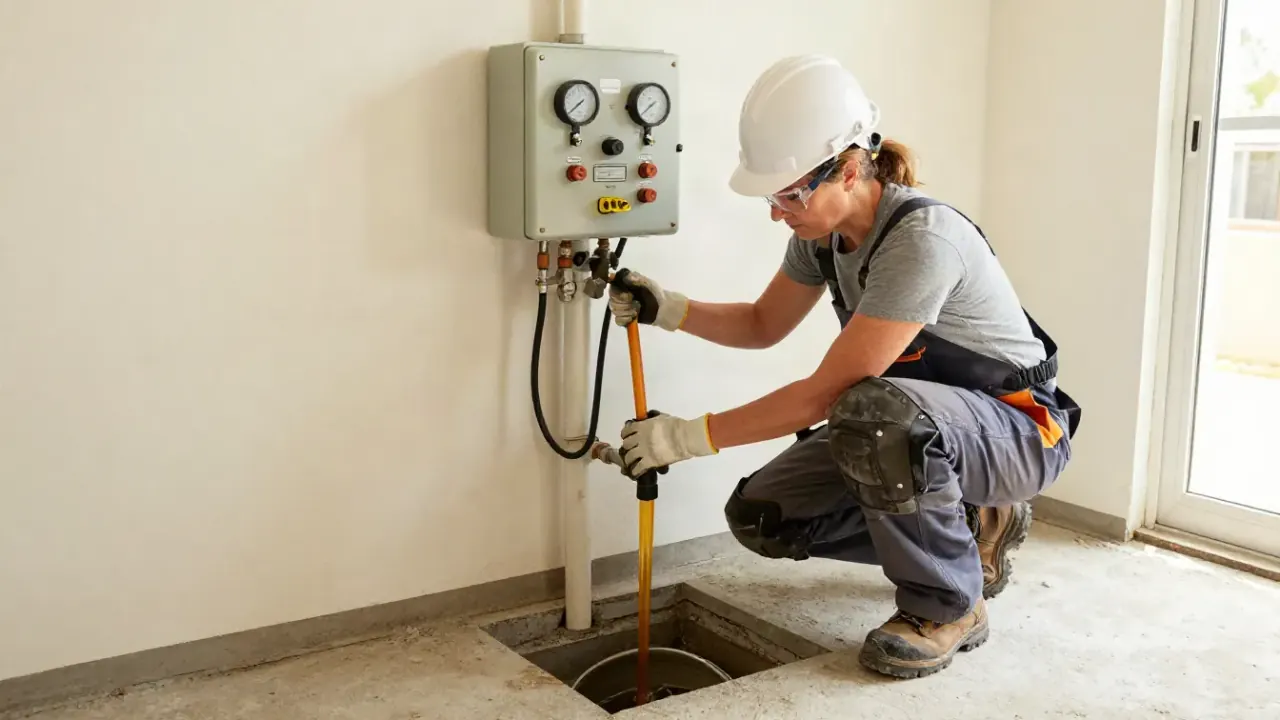
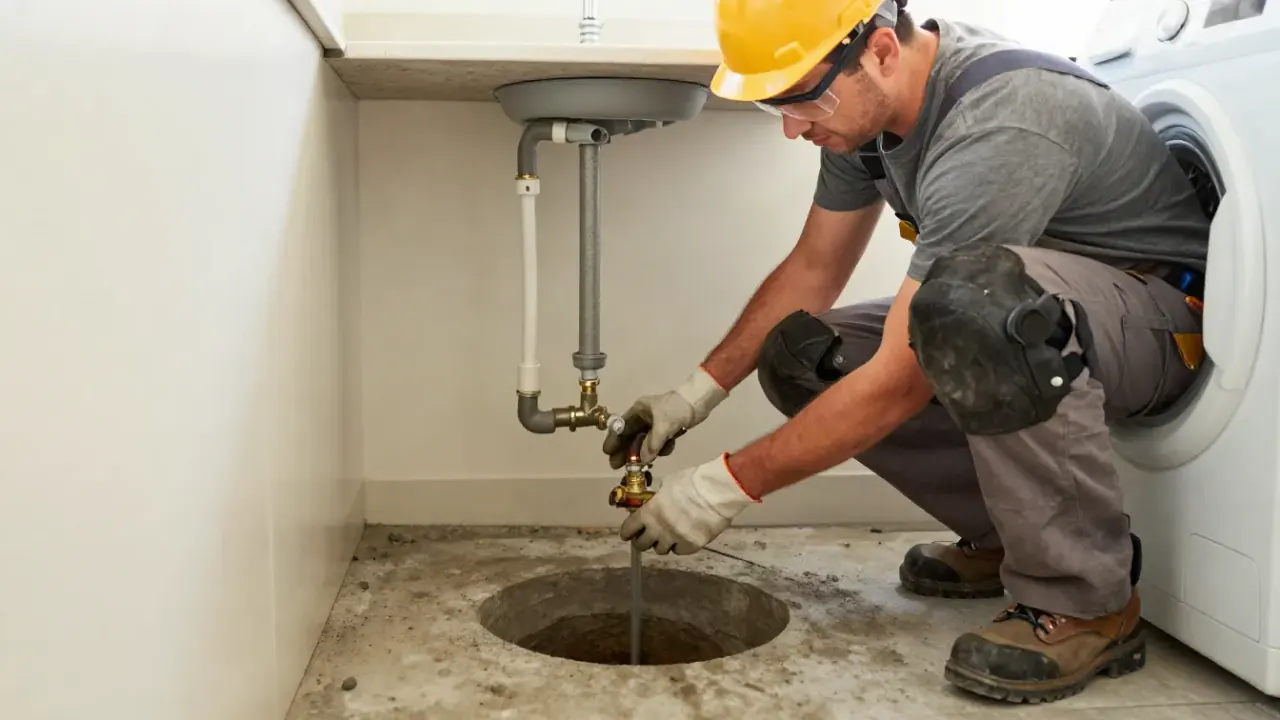
A pressure testing gauge holds the line to confirm the leak is real and isolated.
Step 3
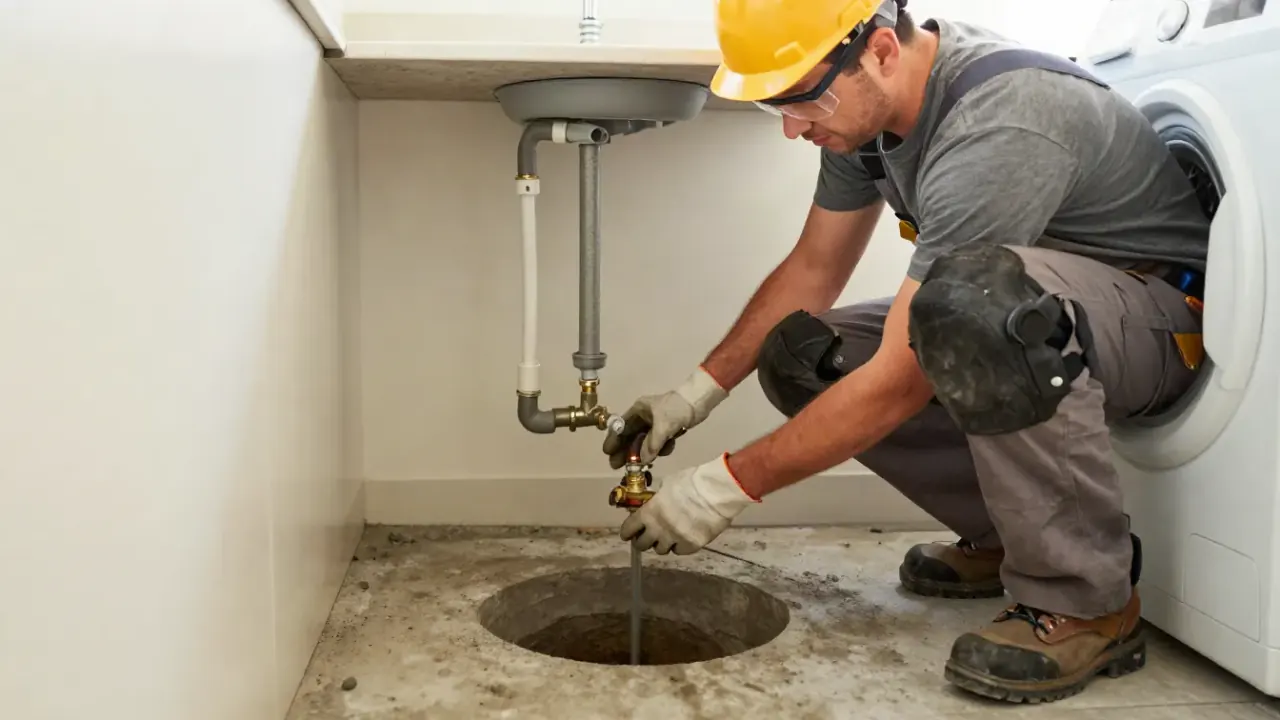
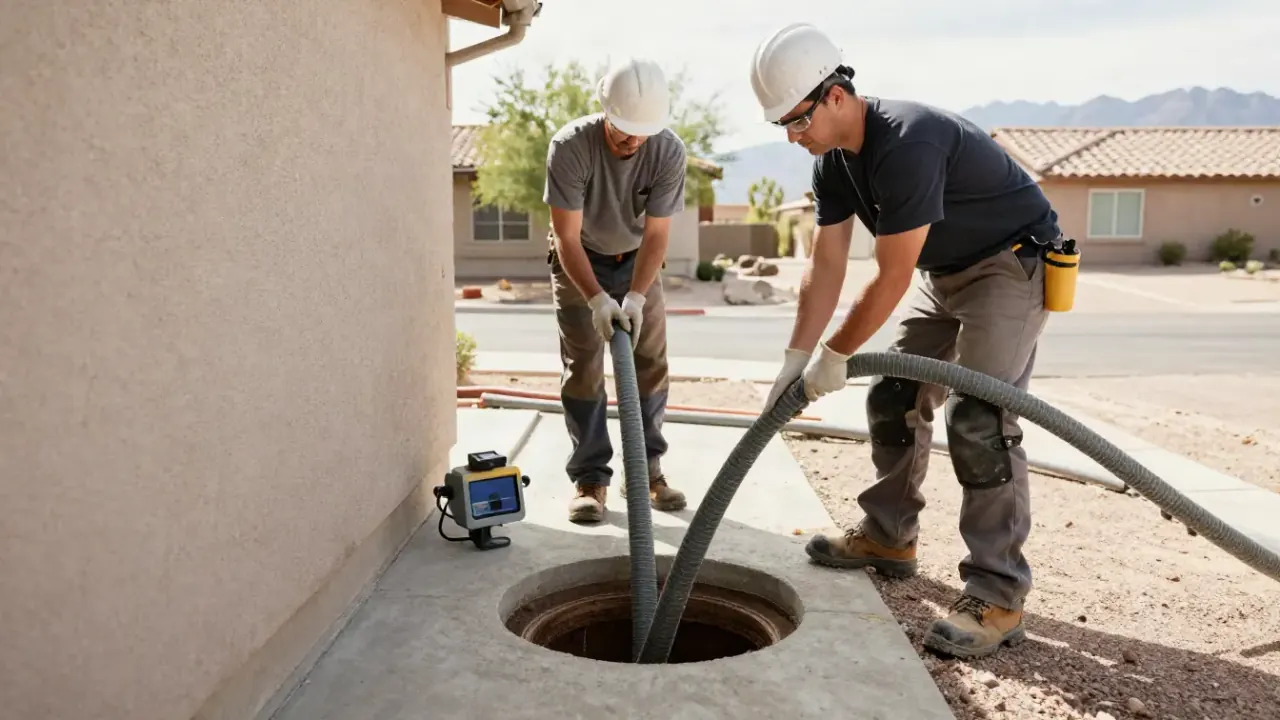
We tunnel from outside or open a small section, cut out the failed copper or PEX, and install new pipe with approved fittings. Hot water line leaks get insulated on the way back in.
Step 4
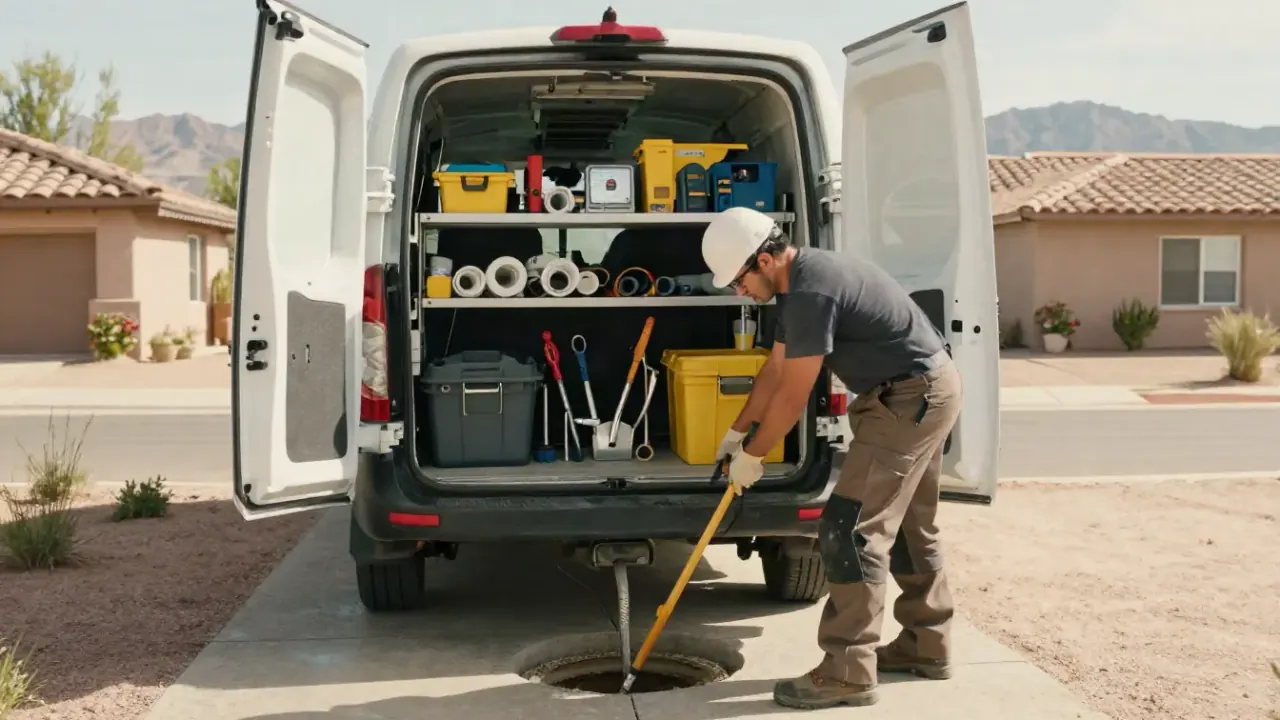
The new section is pressure tested and run hot before anything is covered. We backfill in compacted lifts, patch the concrete, and send you photos of the repair as it went in.
Most slab leaks announce themselves before the foundation cracks. Here are the calls we get most often and how we handle each one.
We had a warm spot in the hallway for weeks and two companies told us the whole floor had to come up. These guys ran a camera and a listening tool and found the hot line leak under the edge of the slab. They tunneled in from the side yard and had water back on by 4pm. Tile never moved.
Marisol Q.Homeowner, Garden Lakes
Our water bill went from $95 to $260 in one cycle. I called on a Tuesday and they were out the next morning. Turned out to be a pinhole on the cold line plus a bad flapper. They fixed the pipe, showed me the meter stop moving, and did not charge me for the flapper diagnosis.
Devon A.Homeowner, Coldwater Springs
Post-tension slab, so nobody wanted to touch it. They mapped the cable with a locator before anything else and rerouted the line through the attic instead of cutting concrete. Took two days and the price matched the written quote to the dollar. I appreciated the photos of the old pipe.
Rajesh P.Homeowner, Corte Sierra
Good work, honest answer. They told me my leak was actually the irrigation line and not under the slab, which saved me a few thousand dollars. Only reason it is not five stars is the arrival window slid by about an hour, but they texted to let me know.
Tanya B.Homeowner, Rancho Santa Fe
Third pinhole leak in two years on the same copper run. Instead of patching it again they walked me through epoxy lining and what it would cost. We went that route. No concrete was opened and the line has held pressure since. Straight talk, no upsell.
Hector M.Homeowner, Crystal Gardens
Called at 11pm with water coming up through the grout line in the kitchen. They had someone out within the hour, shut the main, and isolated the leak that night. Permanent repair happened two days later. The after-hours call saved our cabinets.
Grace L.Homeowner, Upland Park
We work out of Avondale and cover the west Valley from Buckeye to Glendale.
Schematic only. Not to scale.
Type your ZIP or town. If it is not listed, call and ask.
The questions we get on the phone every week, answered the same way we answer them at your door.
Describe what you are seeing and we will point you to the right next step.
(623) 269-8145We give you the scope and price in writing before we open anything.
The one that locates the leak before quoting the repair. Ask any company what equipment they bring and whether they tunnel or tear out flooring. Judge us on the locating step.
We pressurize the suspect line, then listen through the floor with acoustic leak detection equipment and confirm the spot with a thermal imaging camera. A pressure testing gauge holds the isolated line to prove the leak is real. The whole process usually takes 60 to 90 minutes and no concrete is opened.
Many Arizona policies cover the resulting water damage and access, but not the pipe repair itself. Coverage depends on your policy and whether the leak was sudden or long-running. We document the leak location and cause with photos so your adjuster has what they need to make a call.
Ask three things: what locating equipment they use, whether they tunnel or break out flooring, and whether the repair is pressure tested before backfill. A specialist will also check for post-tension cable before cutting. If a company quotes a price before locating the leak, keep calling.
Water under a slab does not stop on its own. We locate the leak, give you a written scope, and repair it with tunnel access where the soil allows.
We answer the phone from 8am to 6pm Monday through Friday, and we keep an after-hours line open for active leaks. Most calls in Avondale get a same-day or next-morning visit. Tell us what you are seeing, hearing, or paying on the water bill, and we will tell you what it usually means.